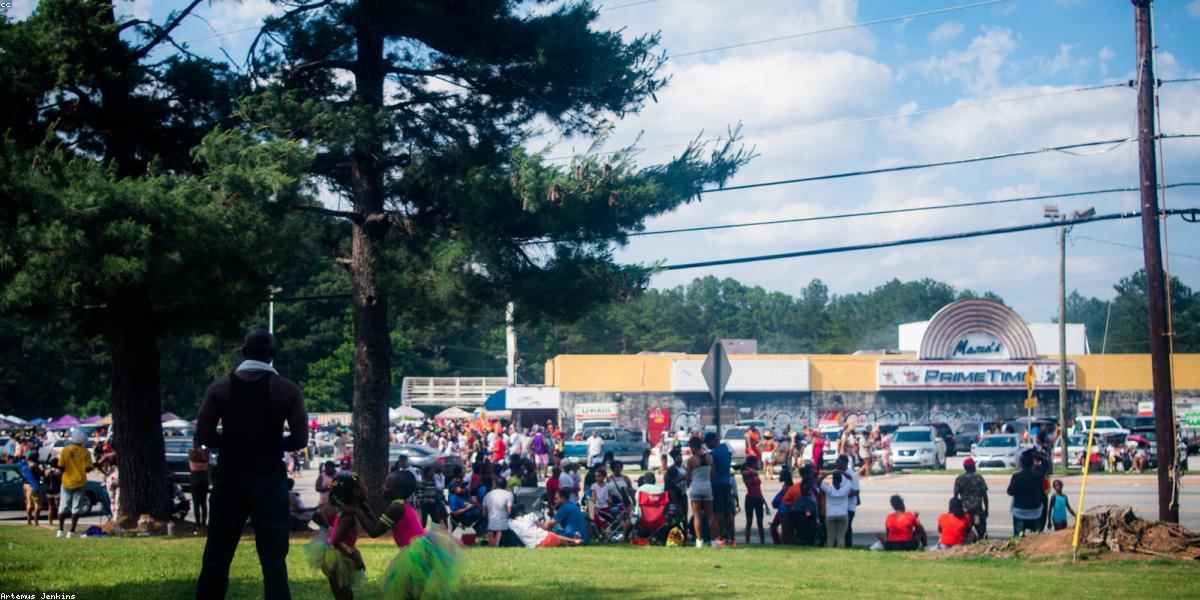
For decades, the default approach to community development has started with a list of what a place lacks — no clinic, no jobs, poor roads, too little funding. It is a logic of deficits, and it quietly casts residents as people to be helped rather than people who can build. Asset-Based Community Development (ABCD) begins from the opposite premise: every community, however under-resourced, is already full of assets waiting to be connected.
What counts as an asset
ABCD practitioners map six kinds of local wealth: the skills and passions of individuals; the power of voluntary associations and clubs; the resources of institutions such as schools, churches and businesses; physical and natural assets like land, buildings and rivers; the local economy of spending and exchange; and the stories, culture and identity that bind a place together.
When you map those honestly, a struggling neighbourhood stops looking empty. A retired teacher becomes a tutor. A domino club becomes an organising body. A disused lot becomes a market.
Why it fits Jamaica
Jamaica's 228 municipal communities are rich in exactly the assets ABCD prizes: deep associational life, strong diaspora ties, entrepreneurial energy, and culture the whole world recognises. What has been missing is a way to see those assets at national scale and to connect them — community to community, and community to investor, agency and diaspora partner.
Communities become active producers of development rather than passive recipients of assistance.